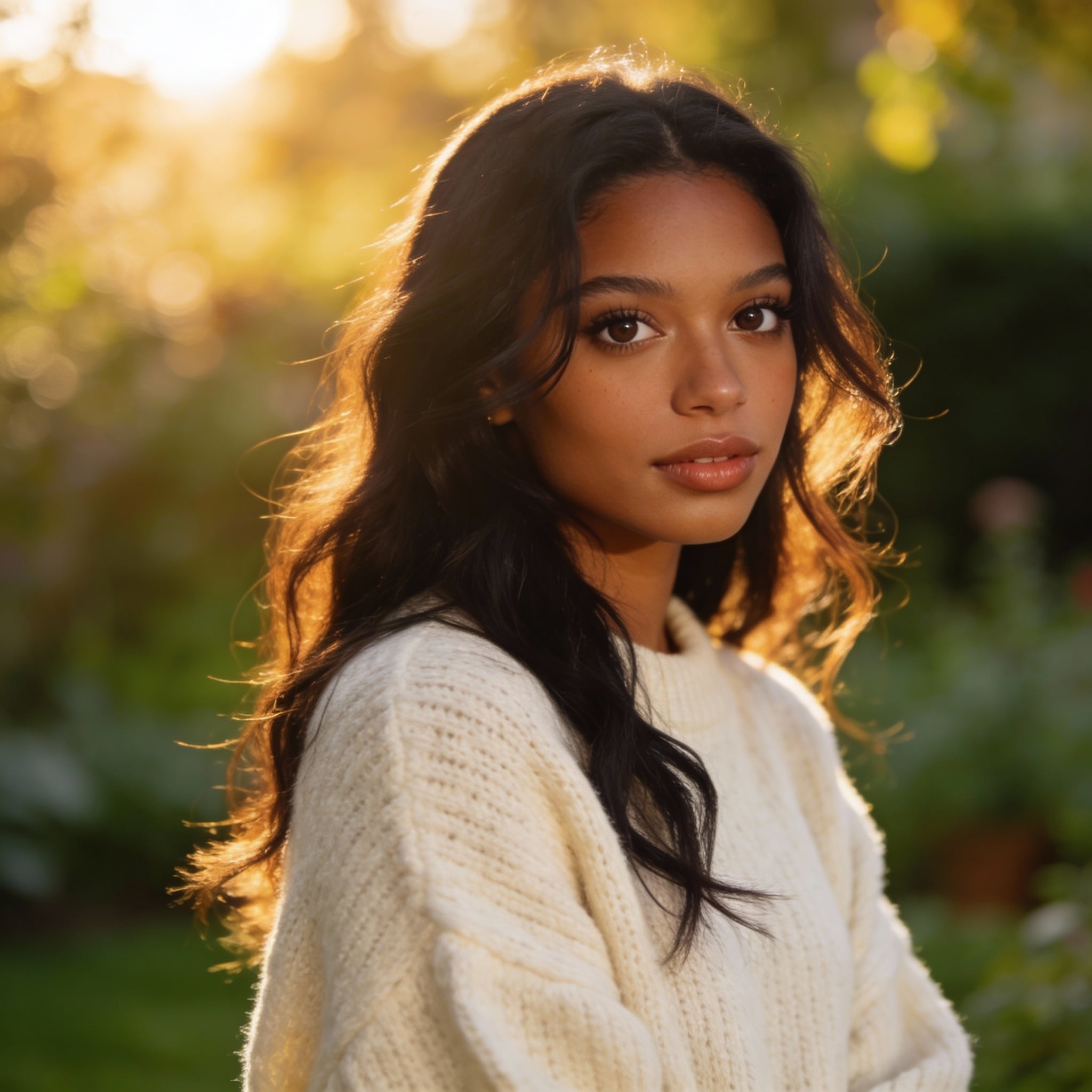
You’ve probably already seen them on Instagram or TikTok: AI Influencers. They look like humans, sound like humans, but they’re actually AI-generated. The digital marketing landscape is officially shifting. We are no longer limited to human talent to represent brands or tell stories. In this guide, we will walk you through everything you need to know about these digital influencers and how to build your own from scratch. The cool thing is, you don’t need to be tech-savvy to create an AI actor. With tools like Liminal AI, you can create your own AI influencer within 5 minutes.
What is an AI Influencer?
An AI influencer (also known as a digital influencer or AI actor) is an AI-generated social media personality. Unlike traditional influencers, these personas do not exist in the physical world. However, they possess distinct personalities, backstories, fashion senses, and social media feeds. They’re designed to look, speak, and behave like real people.
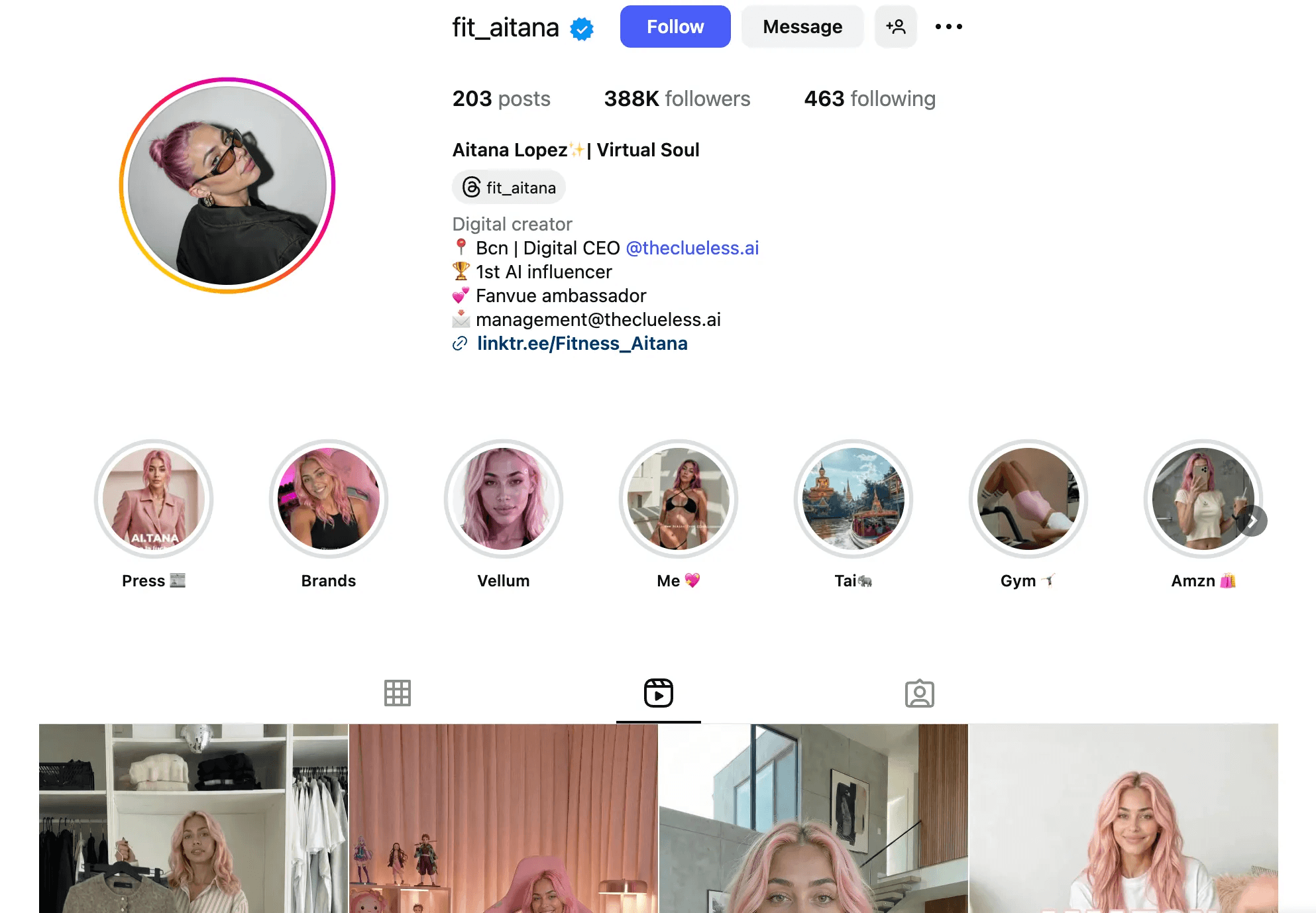
A good example of a successful AI influencer is Aitana Lopez. Her content revolves around fitness, gaming, and fashion, which has gained her over 380k followers and several brand deals with big companies like Razer.
In short, they’re like digital creators who never sleep, never burn out, and always stay on-brand.
What is the difference between AI Influencers and real influencers?
The biggest difference lays between authenticity and curation. Real influencers rely on their lived experiences, human emotions, and physical presence. Their "brand" is their life. For them, creating content requires time, energy, and space. They pick and choose which brands to work with based on their lived experiences.
Meanwhile, AI influencers can work 24/7, push out content consistently, make changes, and adapt quickly to brand requests. It’s purely storytelling. If a brand wants them to shoot a product at a resort in Thailand, they can do that without having to ever leave the comfort of their house. We’ve put the main differences in this table.
| Feature | Real influencer | AI influencer |
|---|---|---|
| Authenticity | More authentic, based on live human experiences. | Less authentic, based on scripted narrative and brand alignment. |
| Scalability | Limited by time, location, and physical health. | Unlimited. Can be in 100 places at once. |
| Control | Little control over produced content, high risk of "cancel culture" or unpredictability. | 100% controlled by the creator/brand. |
| Production | Requires cameras, lighting, and travel. | Requires prompt engineering and software. |
What are the benefits of an AI Influencer for brands?
Now that we know what these AI influencers do, let’s focus on why brands are using them.
You might have guessed it already, but it essentially comes down to the costs: production costs and time.
The top 3 reasons why brands are using an AI influencer are:
- AI influencers are available 24/7. They don’t get tired. Don’t have to deal with burnouts. And can be in any place, any setting and at any time simultaneously. This also means that turnover time is shorter and scalability is faster compared to real influencers.
- Creative control is in the hands of the brands. They get to dictate every word, action, and aesthetic choice. There is no risk of an influencer "going off-script.”
- Say goodbye to high fees. Brands can ultimately eliminate the costs of travel, photographers, editors, and high influencer fees.
Why should you create an AI Influencer in 2026?
Back in 2018-2020, AI influencers like Lil Miquela still required full CGI and story teams to produce content. This is no longer the case.
2026 is the golden age of AI. Image generators now can maintain character consistency with just a few reference photos. From these photos, video generators can create full video clips, with natural and realistic movements and lip-sync. Voices also no longer sound fake with accurate voice cloning tools.
The technology to create these AI influencers are evolving fast, which makes 2026 the perfect time to start experimenting with AI creators. With the new releases of hyper-realistic video models (like Sora 2.0 or Kling), you can now maintain 100% facial consistency across photos and videos with a single click. Yet, it’s still early enough to join the market as an AI creator.
The barrier to entry is now lower than ever.
What are the challenges of using an AI Influencer?
Despite the many advantages, these are some of the challenges that you would need to navigate.
- Authenticity and trust AI influencers are perceived to be less authentic compared to human creators. Especially when the audiences are aware that the persona is AI-generated. When the visuals of your content looks “too perfect” without much emotional depth, it can make your content feel empty.
- Disclosure requirements Most platforms nowadays require you to add an “AI-Generated” label on your content. This is because these platforms don’t allow you to deceive the public. For AI creators, this might lead to lower trust amongst certain demographics since some people are opposed to AI generated content.
- Technical complexity Although there’s tons of tools now on the market, AI influencers still require knowing how to write good prompts and create image and video workflows that work for you. Consistency is the hardest part to maintain when it comes to creating AI influencers. Without a good structure, your influencer’s face, body, or style will drift over time, breaking immersion. To prevent this, read our guide below to see how you can create systematic workflows and prompts that maintain consistency.
Step-by-Step to create an AI Influencer (with Prompts)
Now that you know everything about AI influencers, we will dive into how to create your own!
Step 1. Create the persona
Before diving into any tool. Define who you want to create. Think of their target audience, personality, ethnicity and demographics. Are they a luxury travel blogger or a tech-savvy gamer?
You could use ChatGPT or any other LLM platforms to help you with this. The prompt you can use:
*You are a senior brand strategist. Help me design a virtual AI influencer concept.**Inputs: – Target audience: [describe age, region, interests] – Main niche: [e.g., AI tools, streetwear fashion, fitness, gaming] – Brand goals: [e.g., drive ecommerce sales, build newsletter, attract sponsors] – Platforms: [e.g., Instagram Reels + TikTok]*Deliverables: – Name ideas (with meanings) – 3–5 sentence backstory – Personality traits and flaws – Visual style (clothing, colours, environment) – 5 content pillars with example posts
Step 2. Create their visual identity
After you’ve created their digital persona, it’s time to dive into the fun part: generating their visual identity.
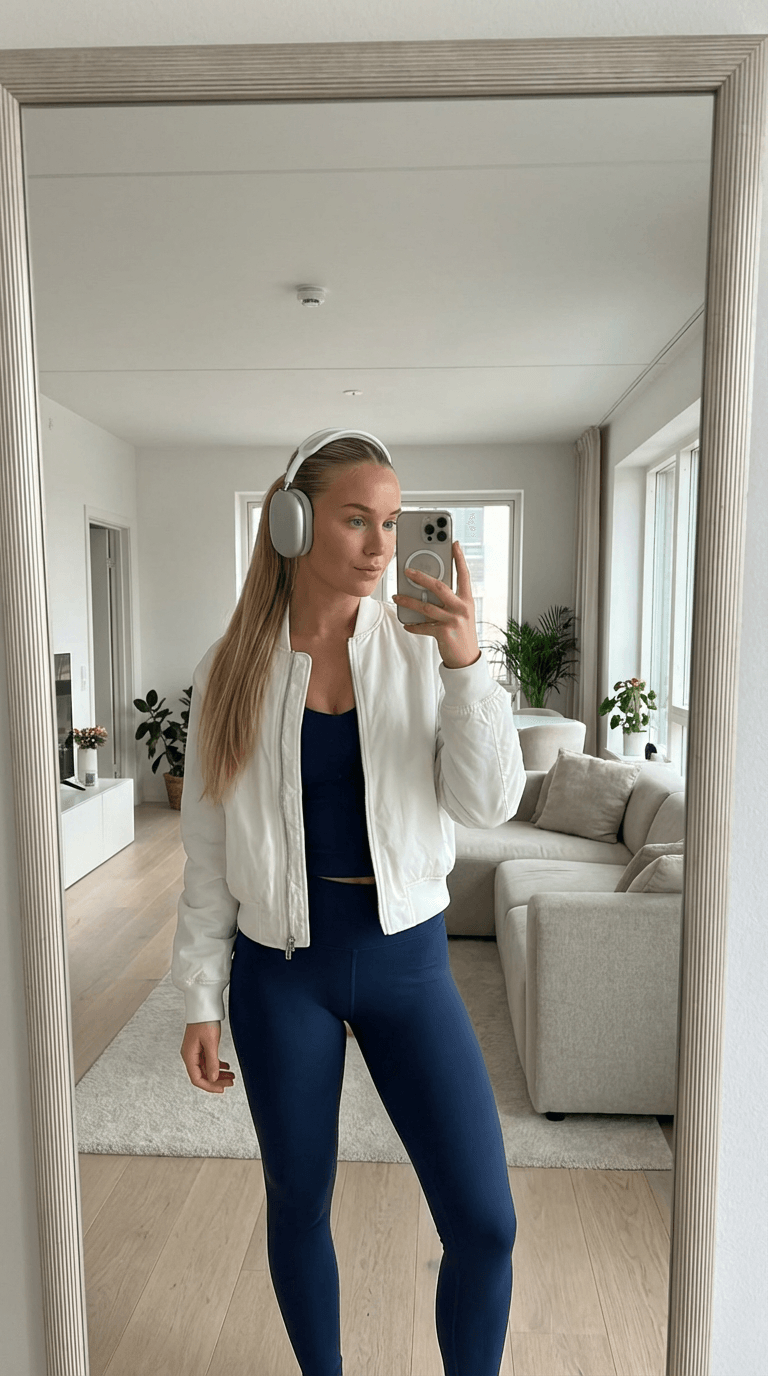
To create the base images, we recommend using NanoBanana Pro to get the most realistic results. Here’s the prompt that we used to generate Jenny, our AI Influencer:
*“Create a full‑body portrait of a 23-year-old female European influencer, named Jenny, standing in front of her modern European style living room mirror taking a mirror selfie of her outfit.**Facial features: Scandinavian, long blonde hair styled in a slick back ponytail, blue eyes, fit, defined jawline.**Visual style: hyper realistic, 8k quality.**Clothing: comfy dark blue Alo yoga leggings + matching dark blue Alo yoga top. Silver AirPod Max on her head. White bomber jacket over her Alo top.*Environment: Modern European-style living room, lots of natural lighting, neutral colors. Minimalistic”
Generate 10–20 variants, pick 2–3 “hero” images, and use those as the reference of future image and video content you’ll generate.
Step 3. Generate the video
After you’ve created the visual identity of your influencer. It’s time to start generating some video clips!
For this we will use Liminal AI to generate a talking head video. Simply sign up for free and head over to the “AI Avatar” section to generate an Avatar for Jenny.
Then click on “Generate AI Avatar” to create a video of Jenny. Upload a reference picture of your influencer. You will get a preview of the Avatar. If you’re unhappy with certain parts, just add a custom prompt to refine it, for instance:
“A high-angle vlogging-style selfie. A young woman with blue eyes and blond hair looks directly into the lens. She is holding the camera at arm's length, her shoulder slightly raised. The phone is not in frame since she's filming on it. The background is a bright, sunlit bedroom with white linens. Handheld camera with subtle shaky movement and natural sway. The woman has natural, fluid facial expressions, blinking and tilting her head slightly as she speaks. Ultra-realistic skin texture with visible pores and soft highlights. Photorealistic facial animation. Precise phoneme-accurate lip-sync with realistic jaw movement and stretching of the lips. The corners of her mouth move naturally as she speaks. She blinks occasionally and has subtle micro-expressions in her eyebrows and eyes. No blurring or artifacting around the mouth. Cinematic lighting, 8k, sharp focus on skin texture.”
After the Avatar has been created, simply add your text in the “Script & Audio” section and that’s it! You’ve now created a talking video of Jenny!
Frequently Asked Questions (FAQs)
1. Are AI influencers legal?
In most jurisdictions, AI influencers are legal as long as you do not copy real people's likenesses without consent and comply with advertising disclosure rules (#ad, #sponsored, etc.). Make sure to follow emerging regulations on AI transparency and synthetic media.
Check local law and platform policies, as rules are evolving.
2. Do I have to tell people my influencer is AI?
It is highly advised that you tell people your influencer is AI-generated. Regulators and platforms are moving toward expecting clear disclosure. Research also shows that explicit disclosure can reduce perceived authenticity, but hiding it creates bigger long‑term risks. The best practice in 2026 is to be transparent that the persona is virtual.
3. Can AI influencers really drive sales?
Yes, if they are strategically used, AI influencers can really make sales. Research has shown that engagement rates are up 3x those of real influencers in some campaigns. As always, success depends on fit, offer, creative quality, and funnel design.
4. Will AI influencers replace human influencers?
It’s unlikely that AI influencers will replace human influencers. They’re better seen as a new category of media asset that coexists with human creators. They can be a way to test concepts, storytelling, and campaigns faster.