
Authentic connections are what set a good marketing strategy apart from the crowd, especially in today’s digital realm. User-Generated Content (UGC) has been a cornerstone of effective marketing for years, leveraging the genuine voices and experiences of customers. Now, thanks to rapid advancements in artificial intelligence, we're witnessing an exciting evolution of this into AI UGC. This new frontier promises to unlock incredible levels of scalability, personalization, and efficiency for marketers, empowering them to create compelling narratives at a speed and scope previously unimaginable.
What is AI UGC?
AI UGC refers to user-generated content that’s either created, enhanced, or optimized using artificial intelligence technologies. While traditional UGC is content produced entirely by users themselves, for instance, customer reviews, AI UGC content pushes this concept even further by using AI tools to create content that mimics the look and feel of authentic UGC content. The goal of AI UGC isn’t necessarily to replace humans, but rather to make the process of creating content more efficient and cheaper.
What is the difference between traditional UGC and AI UGC?
While both AI UGC and traditional UGC serve the same purpose, there are distinct differences in their creation processes, scalability, and personalization capabilities. Traditional UGC is generated by real customers, while AI UGC is created by AI tools. Take a look at this breakdown.
| Feature | Traditional UGC | AI UGC |
|---|---|---|
| Creation source | Directly created by real human customers or influencers sharing their authentic experience. | Created using AI tools that replicate realistic videos by using avatars or voice-overs based on scripts and prompts. |
| Scalability | Slow production. Heavily based on the experience and willingness of customers and users. | Fast production. AI can rapidly generate big amounts of UGC content within minutes. |
| Cost | Expensive because of influencer fees and production costs. | Low cost: no need to hire creators, rent out studios or any equipment. |
| Personalization | Limited control. It’s based on how the creator / customers interpret the products and services. | Full creative control. AI can edit and tailor every element in content to brand preferences. |
Types of AI UGC content
Now that we have a good understanding of traditional and AI UGC, let’s take a look at the most common formats of AI UGC content.
1. AI UGC videos
AI UGC videos are the most popular type since they help maximize engagement. Here, AI is used to create entire UGC videos based on user input in the form of prompts. These types of videos often feature AI-generated avatars talking about a product or service and sharing their experience using it. AI UGC videos are most useful for brands that want to scale their content production or run testimonials and reviews in different languages without hiring local content creators.

2. AI UGC image content
Another common type of AI-generated UGC is AI-generated UGC images. Similar to videos, these images look and feel as if they were taken by a real customer. UGC images often feature AI Avatars or AI Influencers holding the product. The goal here is to convey authenticity and relatability. Apart from using AI Avatars, images can also be in the form of faceless UGC content, which is a more casual and realistic lifestyle shot that looks like it was captured while using the product.

3. Text-based UGC content
Unlike the two above, text-based UGC content is non-visual written content. It’s usually seen as the simplest form of UGC content and appears in the form of comments, reviews, or discussions from users of a product or service. Think, for instance, about blog comments, on social media threads, or on product forums. Brands can use AI to create realistic-sounding comments to generate more buzz and conversation around their products.

What are the benefits of using AI UGC?
Marketers who are looking into using AI UGC, here are some of the top benefits you might want to consider:
1. AI UGC is cost-effective
We all know that influencer marketing can become very costly very quickly. Truth is, most businesses, especially smaller businesses, don’t have the budget to invest in social media creators. That’s where AI UGC comes in handy. Investing in AI tools, like Liminal AI, can help marketers and businesses save thousands of dollars without compromising on the results. With the right prompts, you can automate various parts of the content creation and optimization process significantly. Instead of reaching out to influencers and waiting for video product delivery, you can create your own in a matter of seconds
2. AI UGC helps you save time while scaling production
Adding to the point above, one of the biggest hurdles with traditional UGC is ramping up its production. Many AI tools, like Liminal AI, allow you to create bulk content with various prompts, avatars, and scripts. This allows you to test higher volumes of ads to understand which works best for your business needs without wasting a lot of time.
3. Personalize content based on your needs
While traditional UGC depends on how influencers and customers interpret your products or services, AI UGC allows you to completely take ownership of the entire creative process. You can script, edit, and customize every element in videos, images, and text with minimal effort.
But does AI UGC content actually convert?
You might start to wonder if AI-generated UGC content actually converts. After all, the whole purpose of UGC ads is authenticity and real human interaction, and AI doesn’t really fit in that picture. This is a valid concern.
But, it’s important to note that the purpose of AI UGC is not to trick people into thinking they’re real humans.
It’s not about trying to create the perfect, ultra-realistic, human-like avatar. But to convey a message that feels like it’s speaking directly to your target audience. Even when viewers can tell it’s AI-generated, as long as the message speaks to them, it will hold their attention.
Additionally, AI UGC is amazing for scaling content. Being able to batch and A/B test multiple variations of your content at the same time can save you hours, if not days of work. Once you know which tone, style, or format speaks to your audience, you can focus on that — with AI UGC or traditional UGC.
How to create UGC Videos using AI
So, now that you know the benefits of AI UGC content, how do you start creating your own? We’ll teach you how to start creating your first piece of AI UGC content in 5 simple steps.
Step 1: Sign up for Liminal AI
If it’s your first time here, create an account with Liminal AI. If you’re a returning user, simply log in with your credentials.

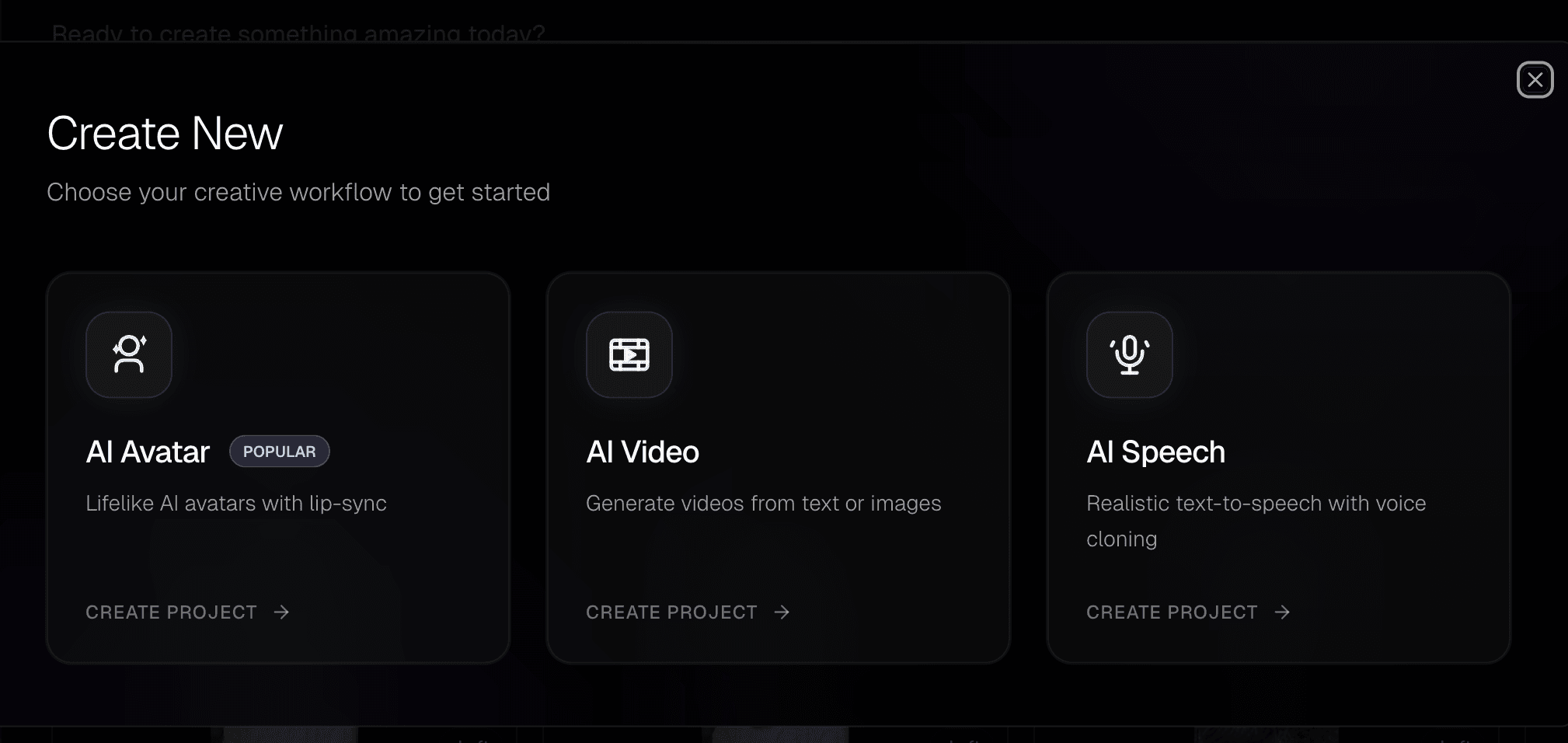
Step 2: Click “Create AI Avatar”
Navigate to “Create AI Avatar” to create your first AI UGC project.
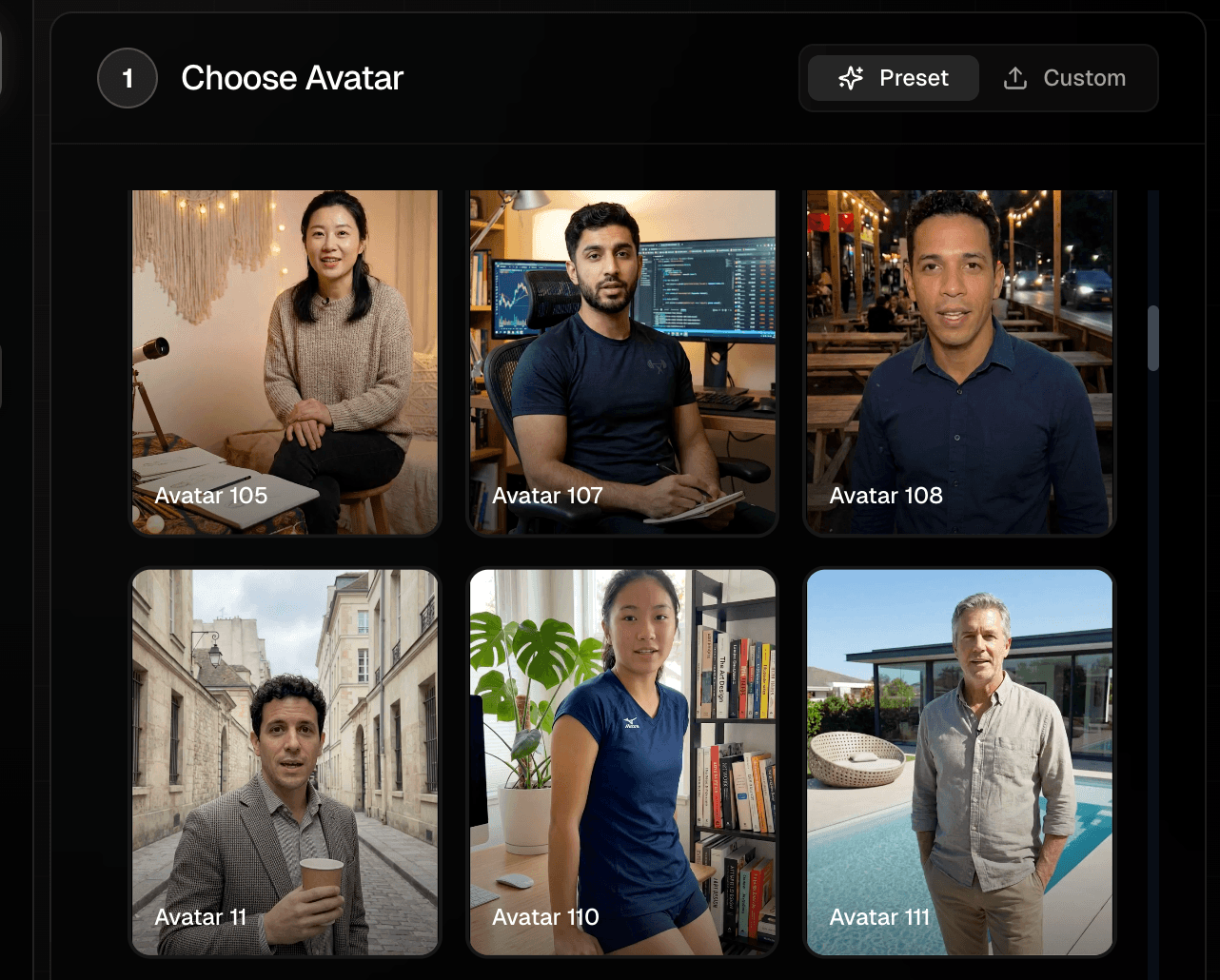
Step 3: Choose an Avatar or create your own
Choose an Avatar from our library or simply create your own, starting with a prompt or video. When creating your own, you can also upload your product picture in the “reference picture” area. Don’t worry, we’ll always show you a preview that you can adjust without spending any credits yet.
Step 4: Add your script
Now, add a script that you want your AI Avatar to talk about. This script can be in English or any other language; our AI model supports over 50+ languages accurately.
 Step 5: Generate
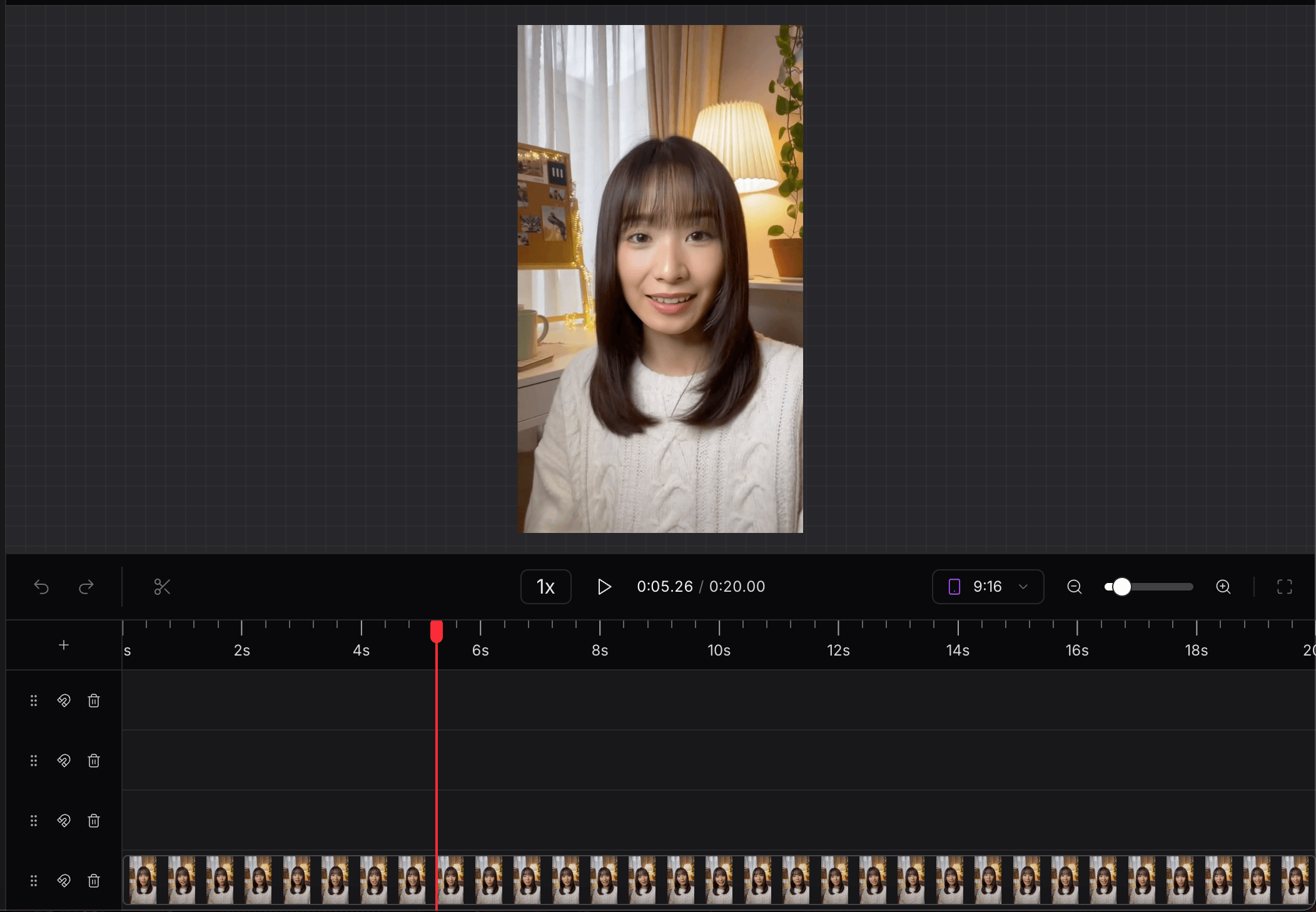
Once you’re ready, hit the “generate” button. Wait for it to finish generating, and that’s it! You’ve just created your first AI Avatar! You can now download the avatar or continue editing in our editing suite.
 Conclusion
Digital marketing is an ever-evolving market, and UGC AI content is changing how brands create and scale video content for marketing. We all know how valuable traditional UGC is: authentic testimonials, shared experiences, and genuine voices that build trust and community. Now, imagine that paired with the intelligence and efficiency of AI. That's exactly what AI UGC brings to the table.
That said, while the technology is powerful and useful, its success depends on how you integrate it with your brand and respect user rights. As long as you have the right strategies and tools in place, AI UGC is a smart way to scale and boost conversions.
Frequently Asked Questions (FAQs)
1. Is AI UGC designed to deceive users into thinking it's real human content?
No, the primary goal of AI UGC is not to trick audiences. Its purpose is to scale content production, enable hyper-personalization, and facilitate efficient A/B testing. While AI can create highly realistic content, the emphasis should always be on conveying a relevant and impactful message, rather than on creating a perfect, undetectable imitation of human-generated content. Transparency, where appropriate, can also build trust.
2. What are the main ethical considerations for marketers using AI UGC?
Ethical considerations include transparency (especially if the AI content could be mistaken for a real person's testimonial), avoiding the creation of misleading or false information, ensuring data privacy if user data is used to train AI models, and guarding against algorithmic bias. It's crucial to use AI responsibly and ensure that the content aligns with brand values and legal guidelines.
3. Will AI UGC completely replace traditional user-generated content or human creators?
Not at all. AI UGC is best viewed as a powerful augmentation tool, not a replacement. Traditional UGC, with its raw authenticity and direct human connection, remains invaluable. AI UGC complements this by allowing brands to scale, personalize, and test content at a speed and volume that traditional methods can't match. It can also free up human creators to focus on more strategic, high-value, and deeply creative tasks that AI cannot replicate.
4. What are the current challenges or limitations of AI UGC?
While rapidly advancing, AI UGC still has limitations. AI models, while sophisticated, may sometimes lack the nuanced emotional depth, spontaneity, or truly unique perspective that a human creator brings. Additionally, the quality of AI UGC is heavily dependent on the quality of the input (prompts, scripts, data), requiring careful curation and refinement from marketers.